
Fundstrat Internal Report Projects Crypto Drawdown Despite Tom Lee Bullish Stance

An internal strategy document attributed to Fundstrat Global Advisors projects a bearish outlook for major cryptocurrencies in early 2026. According to Cointelegraph, the circulating report warns of a meaningful drawdown during the first half of next year. The document sets specific downside targets for Bitcoin at $60,000 to $65,000, Ether at $1,800 to $2,000, and Solana at $50 to $75.
Screenshots of the report were shared on social media platform X by crypto-focused accounts including Wu Blockchain. The material has not been publicly released by Fundstrat and its authenticity remains unconfirmed. The report was apparently written by Sean Farrell, head of digital asset strategy at the firm. Multiple accounts claim the document was distributed to internal clients. Fundstrat did not respond to requests for comment at the time of publication.
This projection sharply contrasts with recent public statements from Tom Lee, managing partner and head of research at Fundstrat. At Binance Blockchain Week in Dubai earlier this month, Lee predicted Bitcoin could reach $250,000 within months. He called Ether at around $3,000 grossly undervalued. Lee argued that if Ether returned to its eight-year average ratio against Bitcoin, prices could approach $12,000.
Internal Division Reflects Market Uncertainty
The divergence between Fundstrat's internal guidance and its managing partner's public optimism reveals the complexity of cryptocurrency price forecasting. This split within a single research firm demonstrates how different analytical approaches can produce widely varying conclusions. Institutional investors relying on research from the same firm now face competing narratives about digital asset prospects.
We reported that institutional investors showed growing confidence with 83% planning to increase crypto allocations in 2025. Spot Bitcoin ETFs accumulated over $65 billion in assets under management by April 2025. The current market environment differs from previous cycles as professional investors now apply systematic risk management rather than emotional decisions.
Lee's company BitMine continued aggressive Ether accumulation despite market weakness. The firm held nearly 3.9 million ETH as of December 7, after adding more than 138,000 ETH in one week. This represents over 3.2% of Ether's total supply. Such substantial accumulation suggests institutional conviction despite near-term bearish signals from internal analysis.
Institutional Adoption Creates New Market Dynamics
The conflicting forecasts arrive as institutional cryptocurrency adoption reaches new levels. According to Grayscale, 86% of institutional investors either own Bitcoin or plan to do so in 2026. Regulatory clarity has transformed uncertainty into opportunity while institutional-grade investment vehicles have democratized access to previously fragmented markets.
Grayscale expects bipartisan crypto market structure legislation to become law in 2026. This will bring deeper integration between public blockchains and traditional finance. The firm anticipates Bitcoin's price will likely reach a new all-time high in the first half of the year. This projection aligns more closely with Tom Lee's public statements than with Fundstrat's internal bearish guidance.
The institutional investment landscape shows both bullish and cautious signals. Standard Chartered and Bernstein analysts have forecasted Bitcoin could reach $150,000 in 2026. These projections are grounded in Bitcoin's growing adoption by pension funds, endowments, and sovereign wealth funds. Net inflows into spot Bitcoin ETFs have surged from $30 billion in early 2024 to nearly $125 billion by early 2026.
However, skeptics note that market corrections remain possible. The Fundstrat internal report suggests potential buying opportunities could emerge later in 2026 following the projected drawdown. This approach reflects historical market cycles where significant pullbacks preceded new rallies. The document's focus on specific price levels indicates technical analysis combined with macroeconomic factors influenced the projections.
The cryptocurrency market now operates with more institutional infrastructure than in previous cycles. BlackRock's iShares Bitcoin Trust and Fidelity's FBTC have attracted billions in assets. Corporate treasuries continue adding Bitcoin to balance sheets. This structural shift provides greater stability compared to retail-dominated earlier periods.
Investors face the challenge of navigating competing forecasts from respected analysts. The Fundstrat situation illustrates how internal risk management strategies may differ from public market commentary. Understanding these dynamics helps market participants make more informed allocation decisions as 2026 approaches.
Disclaimer: The content of this article solely reflects the author's opinion and does not represent the platform in any capacity. This article is not intended to serve as a reference for making investment decisions.
You may also like
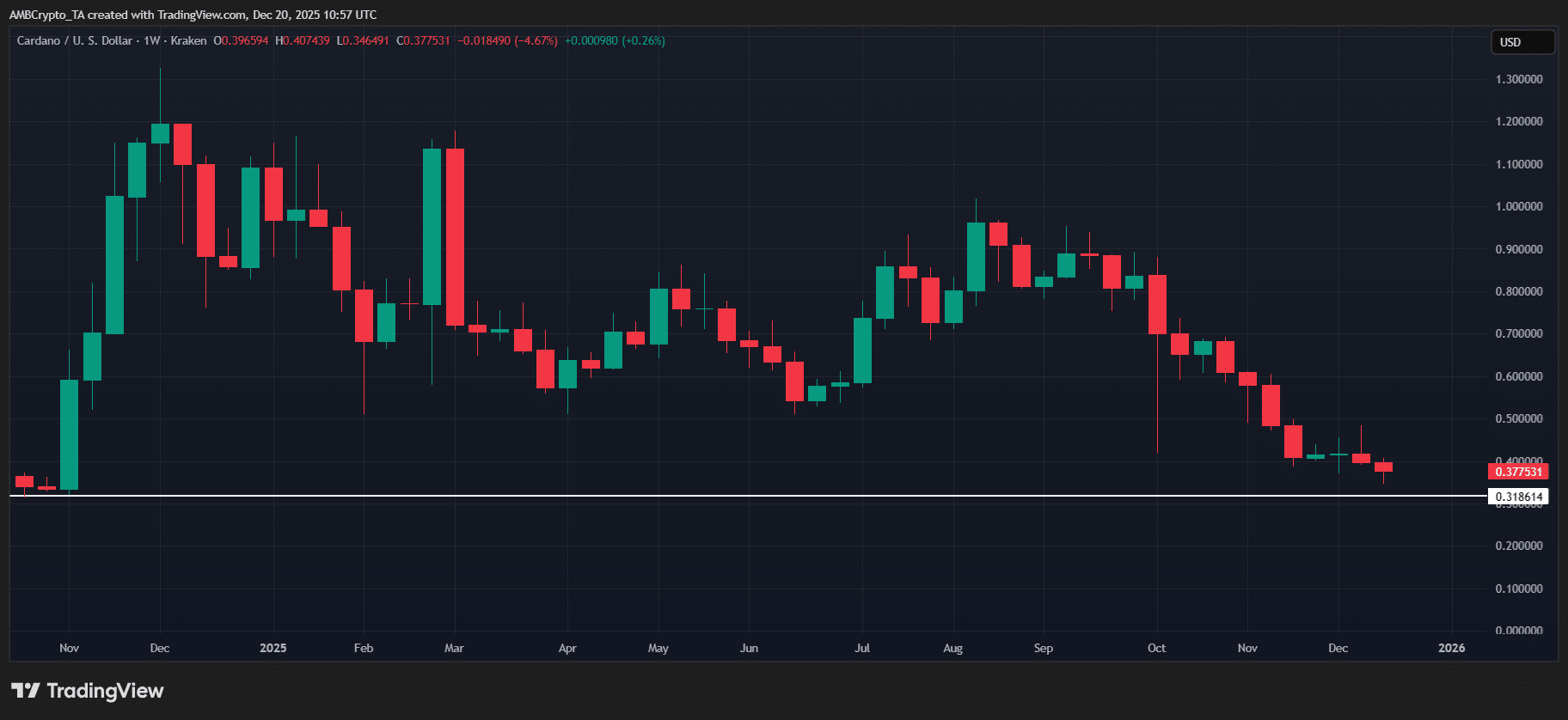
Cardano erases 100% of election rally gains – Can ADA hold top 10?
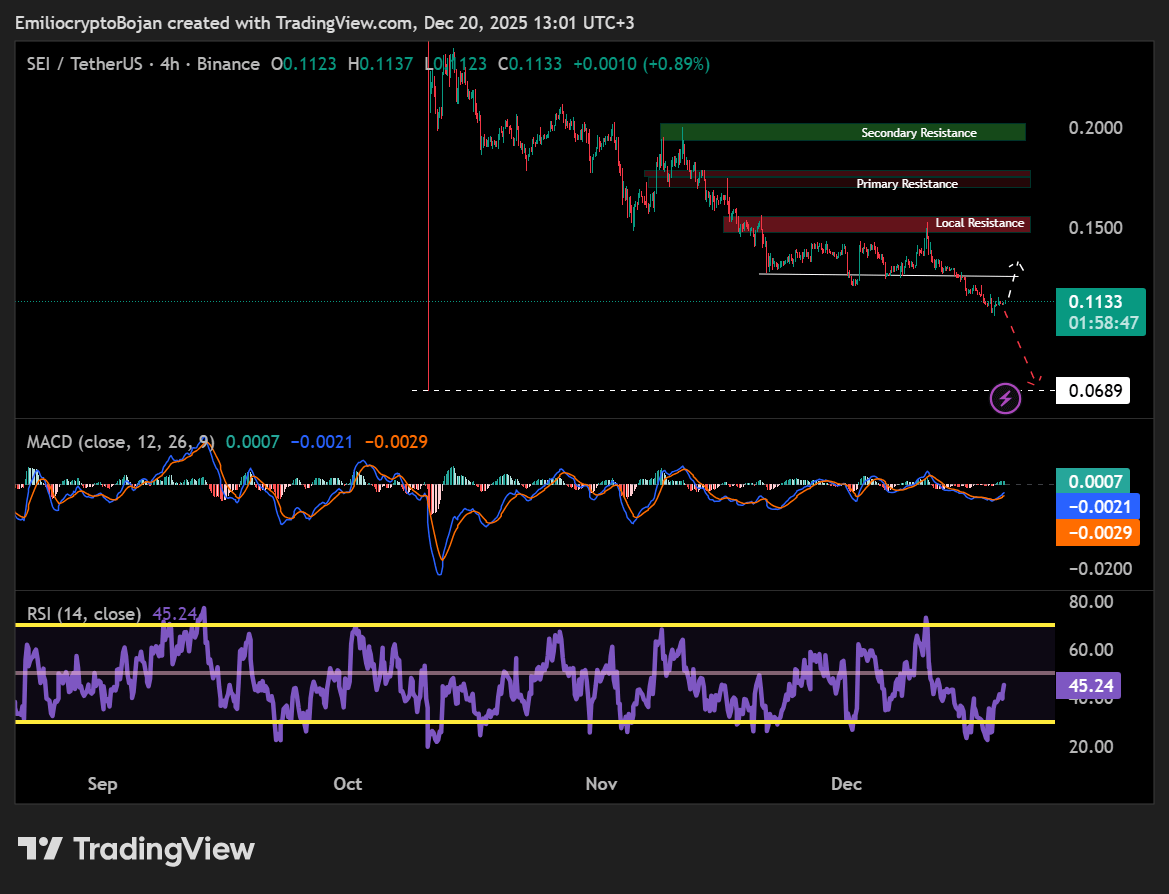
Why SEI must reclaim KEY support to avoid drop below $0.07
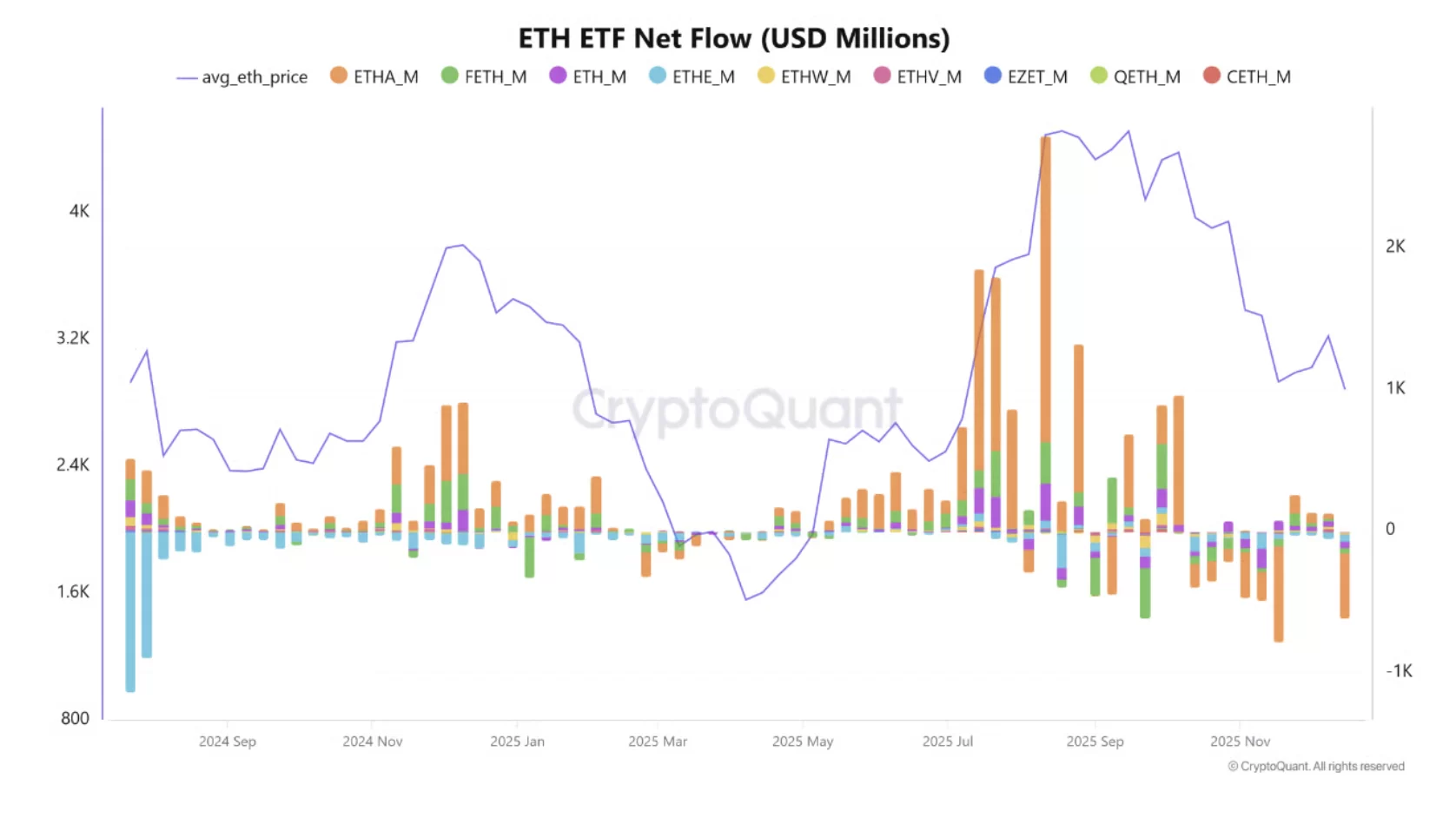
Ethereum Faces Uncertainty with Tight Trading Range
Trending news
MoreCrypto prices
More





