
DAG CEO says XRP is expected to benefit from the release of $27 trillion in liquidity, details as follows.

As global market pressures continue to mount, Digital Ascension Group (DAG) CEO Zach Rector stated that XRP could benefit from the upcoming liquidity release.
In a recent videocommentary, Rector explained that major changes in financial infrastructure could unlock trillions of dollars trapped within the banking system. He believes that as financial institutions seek faster, cheaper, and more efficient settlement methods, these changes will put XRP in a favorable position.
$27 trillion backlog in the traditional banking system
Notably, Rector believes that the global financial system stillrelies onoutdated frameworks that slow down payment speeds,increasetransaction costs, and leave large amounts of fundssittingidle instead offlowingthrough the economy.He mentioned the SWIFT network as a major reason for inefficiency in cross-border payments.
Market commentatorspoint outthat thenostro and vostro accountsthat banks rely on forfullinternational transactions,forcethem tolock upan estimated $27 trillionglobally to maintainliquidity.This delays payments, increases costs, and limits the funds available for loans and investments.
He also spoke about the rollout of theISO 20022standard, which was fully implemented last month. Rector acknowledged that the new standard improves communication between financial institutions, but he pointed out that it does not solve the issue of settlement delays. He believes the new standard is a foundation for future real-time settlement, rather than a complete solution.
Why stablecoins cannot meet institutional users' needs
Rector further refuted the notion that stablecoins alone can solve these global settlement challenges.
"Stablecoins are actually not public-facing at all. I think that's a misconception many people have because they've been using USDC or Tether, both of which are liability coins." he said.
He said that moststablecoinsare designed by banks for use only within closed, permissioned systems.Therefore, due to counterparty risk and balance sheet concerns, institutions are still reluctant to hold stablecoins issued by other banks.Concerns.
He believes that over-reliance on stablecoins could exacerbate liquidity fragmentation. Specifically, banks would need to manage multiple digital liabilities from different issuing institutions, recreating the inefficiencies the industry is trying to eliminate.
XRP as a neutral settlement bridge
Rector referred toXRP as a neutral assetthat can enable value transfer between institutions without the need for pre-funded accounts or reliance on other banks' balance sheets. He emphasized the technology's ability to settle transactions at low cost within seconds, while avoiding jurisdictional and counterparty risks.
"That's the advantage of XRP," Rector said.It becomes the universal settlement layer for all intermediaries, institutions, enterprises [and] banks for backend settlement between infrastructures."
He also highlighted the strong track record of the XRP Ledger, noting that the network has been running for over a decade without prolonged downtime.
According to Rector, banks have already conducted extensive backend settlement and interoperability testing on the ledger. This helps demonstrate its role in institutional finance rather than everyday consumer payments.
Meanwhile, Rector stated that banks are more likely to issue tokenized deposits and on-chain money market products than to see mass retail adoption of stablecoins.For example,JPMorgan recently launchedits first money market fund onEthereumm.
Notably, these toolsallowbanks tomaintaintreasury yieldsforcustomersandinterest-bearing digital deposits with instant settlement.
He pointed out that regulatory requirements prevent stablecoin issuers from passing treasury yields to holders, which limits the appeal of stablecoins to consumers.
However,tokenized depositsallow banks to pay interest while enabling real-time transfers and programmable features. Rector said that as XRP adoption increases, it can facilitate value transfer between institutions based on liquidity availability and transaction efficiency.
Market reset and the transition to digital rails
Rector also warned that the market may undergo a comprehensive reset due to high interest rates, excessive leverage, demographic pressures, and rising debt levels. He stated that as the market corrects, stocks, bonds, real estate, commodities, and derivatives could all see large-scale repricing.
Despite these risks, Rector believes this reset will be a transition rather than a collapse. He stated that governments will need real-time settlement systems, shared ledgers, and programmable money to restore stability.
He believes that blockchain-based digital rails canmake it easier to implementthe next phase of global economic stimulus distribution, tax collection, and liquidity management.
Meanwhile, Rector emphasized the increasingly important role ofautomated market makers (AMM), stating that on networks like the XRP Ledger, AMMs narrow spreads, reduce arbitrage, fill liquidity gaps, and stabilize prices through automated rebalancing.
As automation increases, Rector expects the market to become more stable and more focused on fundamentals. He believes this shift will reduce extreme volatility and limit the excess return opportunities seen in previous market cycles.
Rector concluded that once tokenization, real-time settlement, and automated liquidity become standard, the market will move toward long-term efficiency. In this environment, stable returns will replace speculative profits. He stated thatXRPcould benefit as institutions adopt a more efficient and fully digitized global financial system.
Disclaimer: The content of this article solely reflects the author's opinion and does not represent the platform in any capacity. This article is not intended to serve as a reference for making investment decisions.
You may also like
Altseason canceled? "Lack of liquidity" means holders will suffer until 2026
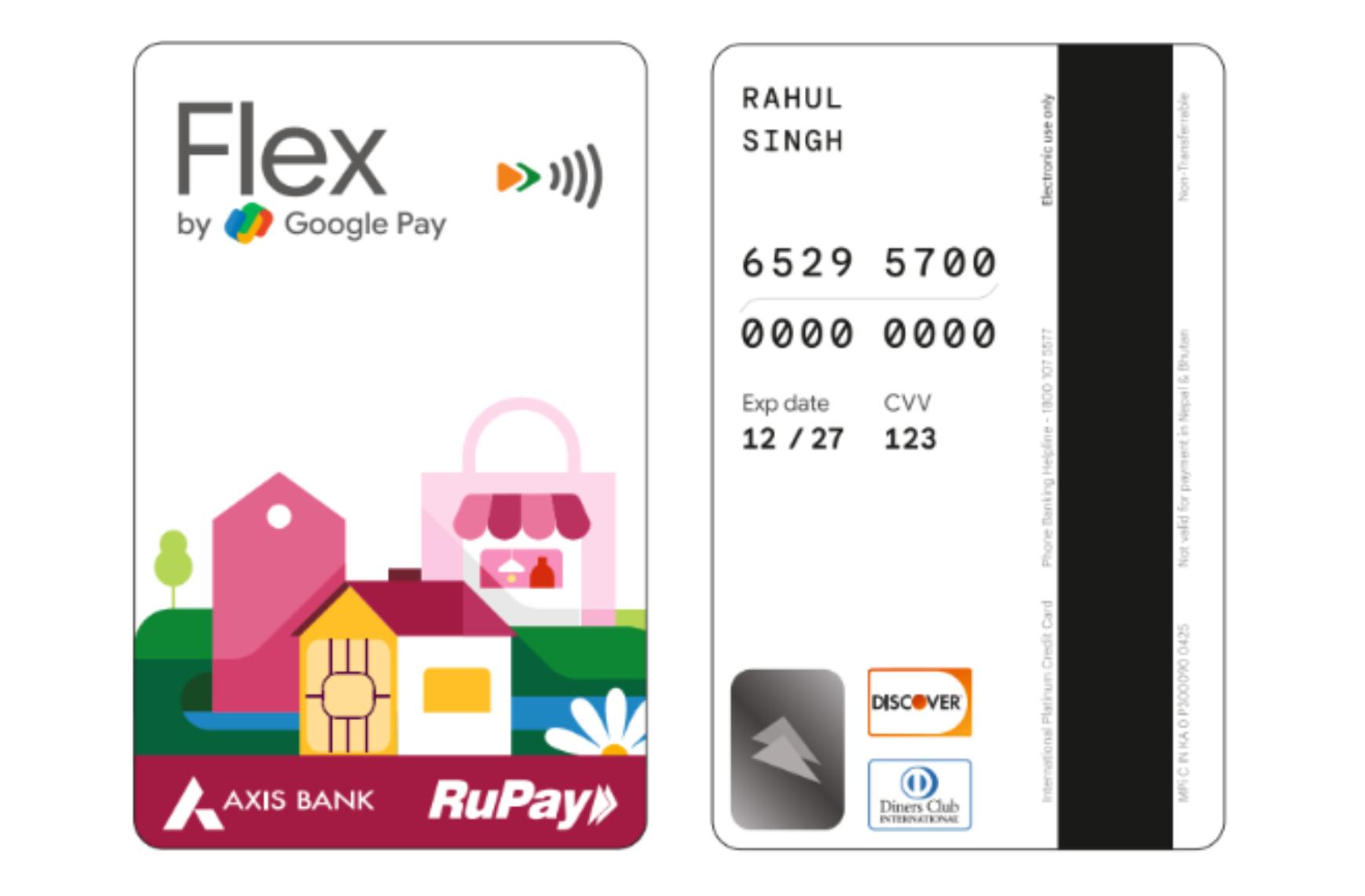
Google deepens consumer credit push in India with UPI-linked card
Cardano (ADA) Bagholders Switch Strategies As This Under $0.05 Token Offers Fresh Hope for Recovery Gains
Trending news
MoreCrypto prices
More





