
Flare Launches Luminite Wallet, Expands Reach Into DeFi

Flare, the EVM-compatible interoperative chain has unveiled its new product—a seedless wallet, along with some other upcoming plans.
It is steadily increasing in user engagement, as evidenced by certain metrics.
Shiny New Wallet
In a press release shared with CryptoPotato, Flare announced the launch of its seedless, non‑custodial wallet Luminite.
Turnkey’s embedded wallet technology was used to create Luminite, which allows users to set up their wallet using familiar sign-in methods such as passkeys, biometrics, or email, without needing to write down and store a seed phrase. Funds can be added via built-in fiat on‑ramp partners (including Topper) to purchase FLR, XRP, and other assets.
“Luminite was built with one goal in mind: to bridge the gap between Web2 and Web3 users. By removing complex barriers to entry, we’re enabling anyone—from first-time users to seasoned crypto holders—to access the full power of the Flare ecosystem.This is about making DeFi approachable, not just for the crypto-native, but for the next wave of users discovering blockchain through real utility,” said Steve Chadwick, Co-founder of Luminite.
Apart from onboarding, Luminite will also be a direct access point to Flare’s growing portfolio of DeFi protocols. Patrons will be able to delegate the native token, FLR, to FTSO (Flare Time Series Oracle) data providers. Additionally, it will be possible to mint FXRP tokens (tokenized version of XRP) via FAssets (non-smart contract assets bridged with full custody retained).
Moreover, it will be possible to swap tokens within the wallet, bridge assets through the liquidity transport protocol Stargate, and engage in liquid staking by minting sFLR on Sceptre, the protocol for staking, all within the wallet Luminite interface.
Flare has also unveiled plans for a future Learn & Earn program with Revolut, which will incentivize new users to explore the ecosystem through education and rewards based on engagement.
FLR So Far
The blockchain recently celebrated 3 years since its launch on June 25, 2022. Full operation started around 2-3 weeks following, in “observation mode”, where the Flare Foundation ran all validators.
This phase lasted approximately 8 weeks, after which a token generation event (TGE) took place, during which 15% of the total FLR supply (~12 billion tokens) was released to the public via the Flare Improvement Proposal process.
The native token has been up for the majority of the year, marking considerable gains during July, and the blockchain itself has locked in over $150 million in DeFi volume, according to data taken at the time of printing from DefiLlama.
Disclaimer: The content of this article solely reflects the author's opinion and does not represent the platform in any capacity. This article is not intended to serve as a reference for making investment decisions.
You may also like
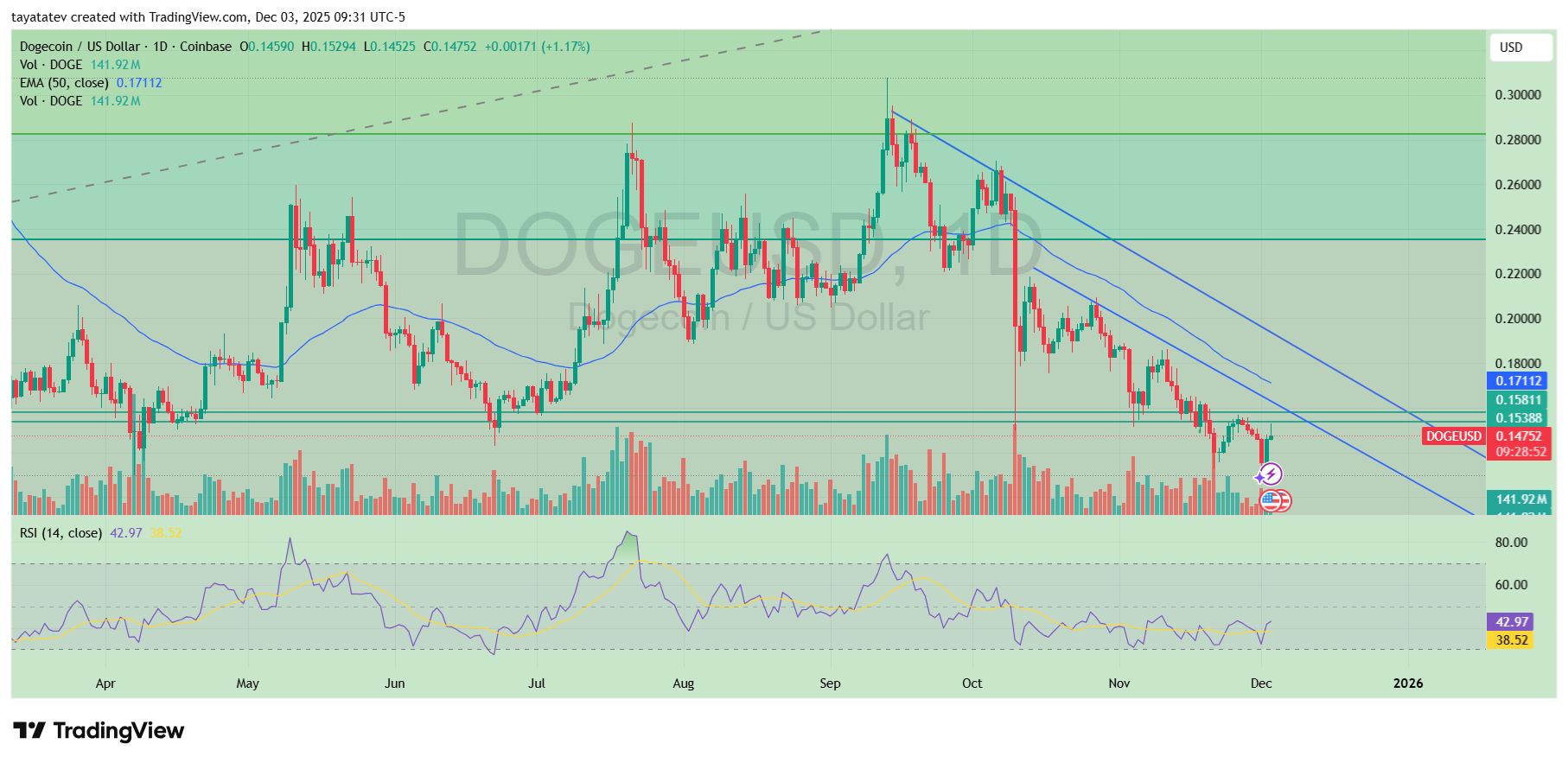
Dogecoin Trapped in Falling Channel as 0.158 Dollar Barrier Blocks Path Back to Fibonacci Golden Zone
COC the Game Changer: When Everything in GameFi Becomes "Verifiable", the Era of P2E 3.0 Begins
The article analyzes the development of the GameFi sector from Axie Infinity to Telegram games, pointing out that Play to Earn 1.0 failed due to the collapse of its economic model and trust issues, while Play for Airdrop was short-lived because it could not retain users. COC Game has introduced the VWA mechanism, which verifies key data on-chain in an attempt to address trust issues and build a sustainable economic model. Summary generated by Mars AI. This summary was generated by the Mars AI model, and its accuracy and completeness are still being iteratively updated.

BTC Volatility Weekly Review (November 17 - December 1)
Key metrics (from 4:00 PM HKT on November 17 to 4:00 PM HKT on December 1): BTC/USD: -9.6% (...

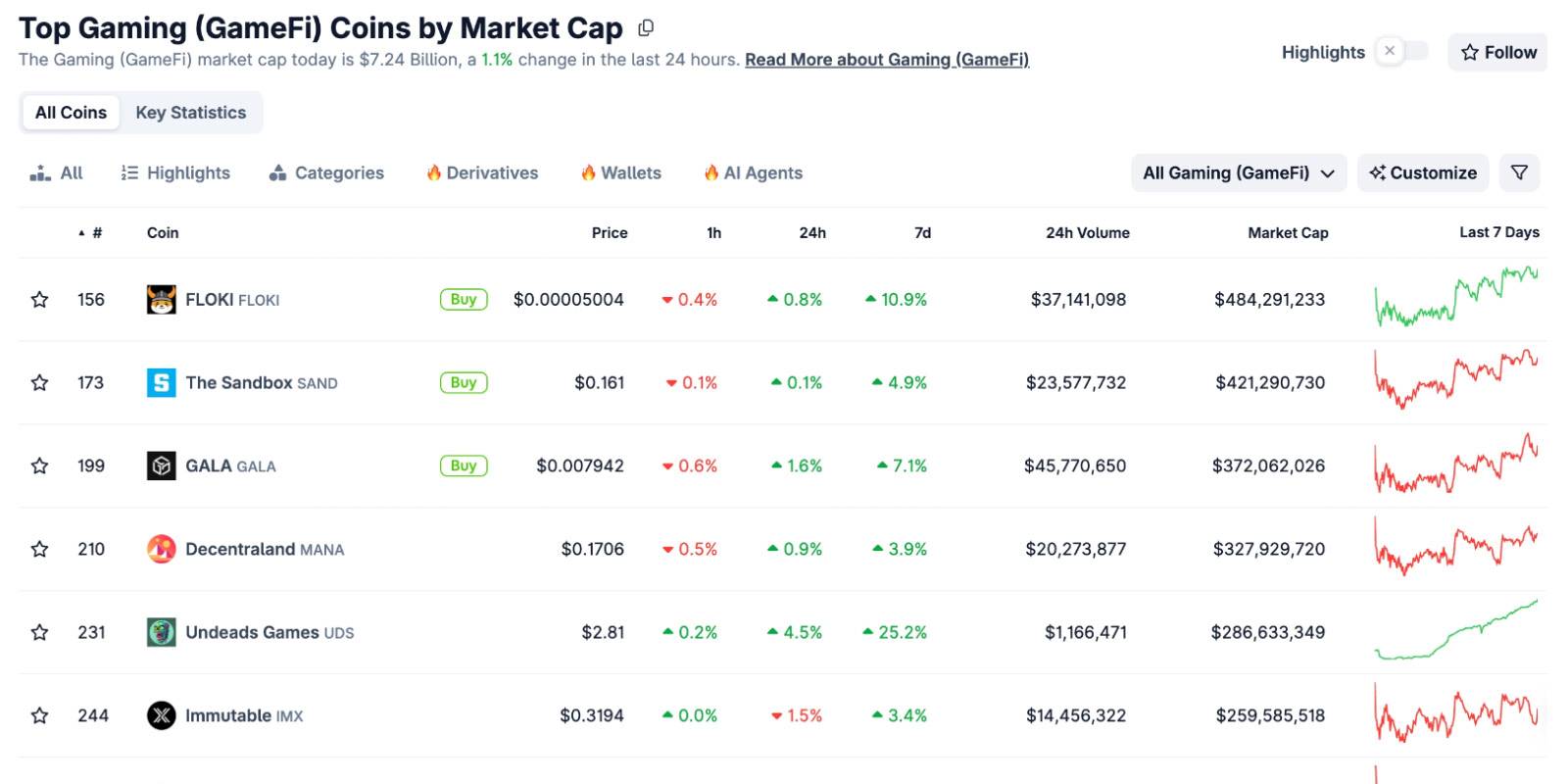
When all GameFi tokens have dropped out of the TOP 100, can COC reignite the narrative with a Bitcoin economic model?
On November 27, $COC mining will be launched. The opportunity to mine the first block won't wait for anyone.
Trending news
MoreCrypto prices
More






